
Letters on Spiritual Formation #1
Introduction to the Letters on Spiritual Formation - Part 1
This is Part 1 of 4 in a series of letters on spiritual growth and maturity.

The Story of Pain and Trauma
There once was a boy who played with fire. One evening, while his mother was cooking dinner on the stove, he became curious about the little, yellow, flickering light that was coming from under the pot to which she was attending. For a few moments, she turned her back and stopped paying attention to him. He seized the opportunity. Reaching up over the top of the stove he groped towards the flickering flame. His hand laid hold of the metal frame of the burner. It took a moment to register, but the boy felt heat, then burning, and finally pain. It seemed like a lifetime to him, but only a moment had passed. He jerked his hand away and cried out in fear and terror. His mother whirled around and swooped him up, gently cooing him and trying to calm his fears. It took him a him awhile before he could hear his mother's voice, but her calm reassurances eventually assuaged his fears. As the boy grew, the memory of that pain stayed with him. He made many assumptions about that pain. In fact, every time he was around fire he would become uneasy. When he was old enough to light the elements on the top of the stove for himself, he always leaned back and kept plenty of distance between himself and the flame. Every way the boy interacted with the fire was shaped by his initial experience. From the distance he had to keep to feel safe to the intensity of the pain that it could cause, all he knew began forming during that one interaction when he, in his immaturity, burnt his hand.
We react to pain and trauma in our life much the same way as the little boy reacted to the pain of physical wounding. We build our responses to others based upon the pain of the past, lashing out when others cause us pain or reacting to the pain that we cause ourselves. After being hurt we make assumptions about people and about ourselves, we say things like, “I’ll never do that again.” We begin to distance ourselves from others, developing defence mechanisms in order to avoid the pain of being hurt. Soon, our very identity becomes wrapped up in pain avoidance. Eventually we find it difficult to trust, to open up to others, to love and be loved as we truly desire. The very desire to love and be loved is hindered by our own ingrained responses.
The deeper truth we often fail to recognize is that the areas where we have developed pain response and avoidance are areas that God desires to occupy within us.
The pain of hurt from a father mars the image of God as father.
The pain and hurt from a lover deny a portion of our love to God as lover.
The pain and wounding from a mother hinder a portion of ourselves from fully experiencing the nurture of God.
These assumptions we make about people because of hurt actually affect our relationship with God. Often we think if God would just remove the difficult people in our life it would just get easier, when all along God may be using that person to challenge a perception you have that hinders your experience of him as father, mother, brother, lover, friend, etc…
Our spiritual formation, or the formation of our spiritual journey, can be helped or hindered based upon whether or not we have processed our painful memories. Pain can be a great teacher, but is always a terrible master.
This series explores the deep path of true spiritual formation, "exercising Godliness" as Paul writes to Timothy.
How do we grow in Christlikeness when we are still stuck in pain and trauma? The first step in embracing the character of Christ is embracing the healing of Christ.

So, why does God leave difficult people in your life? What purpose could he have in leaving people that seem to be spiritual irritants to you?
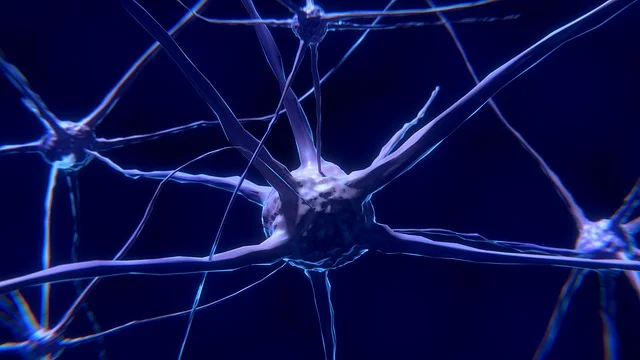
David said regarding God, “Your thoughts towards me are as numerous as the sands on the seashore.” Every one of those thoughts has the ability to rewire your brain.
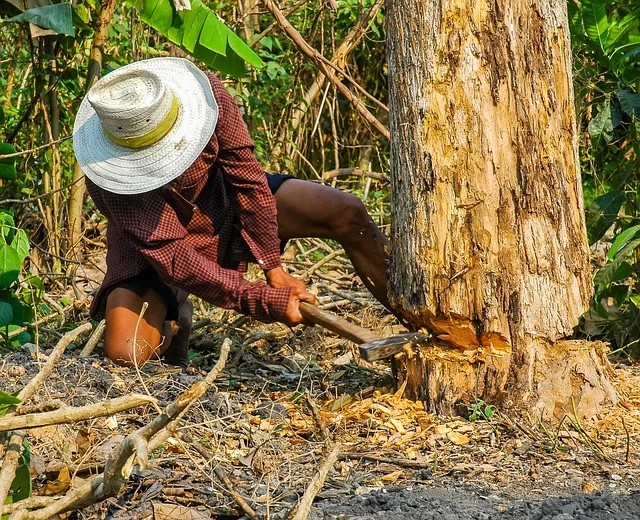
Laying the axe to the root of the tree means our patterns and habits of response dictated by the formation of our brain must change.

My wife and I were great friends before we started dating. We spent a year developing a deep friendship before we became romantically involved. It took all of a week for the openness we had cultivated as friends to be challenged by pre-conditioned responses ingrained from past pain.

Imagine that your brain is like a forest. There is a vast interconnectedness of leaves, branches, and underbrush. You decide one day to carve a path through this forest.


The revelation of his care in the midst of my inability to walk in the way of holiness completely undid me. As I was in this gathering, teaching these students, the revelation of that care hit me.

Dark nights of spiritual struggle are not normal seasons of the spiritual life. There will be seasons of great joy, increasing fruit, successful initiatives, incredible intimacy, watching others frolic and play with God, sweetness before the Lord, and many other incredible moments to celebrate in the grand scheme of life in God.

...the dark night begins to effectively erode pride from your life, and you become more fully aware of your brokenness then you have ever been.
The ongoing cycle of spiritual growth will include periods of dryness, emptiness, and perceived distance from God. They are all designed for your benefit.

Our temporary pain betrays the eternal love of God. He is more concerned about your eternal destiny than he is in your temporal comfort.

When I would ask my father questions about the bible or theology, he would never give me a straight answer. He would maybe give a couple of thoughts, point out a verse or two, and then leave it at that...

Sometimes our pain tells us the degree of separation between our God-breathed destiny and the reality of our actual day to day life.
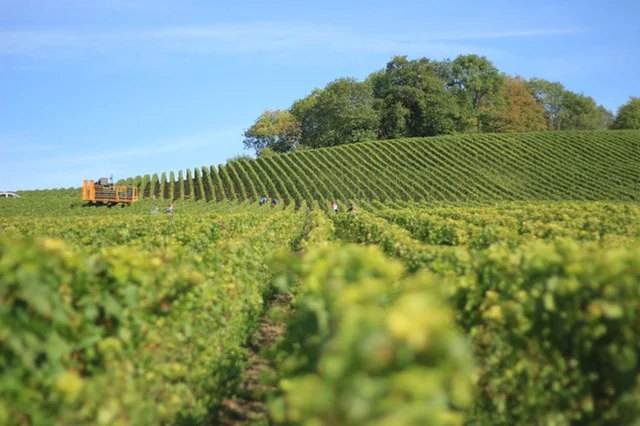
As those who are united with God are joined together with his Spirit, there is a beautiful harmony in the way life is shared in this metaphor. The vine exists to nourish, feed, and grow the branches, the branches exist to bear the fruit of the vine.
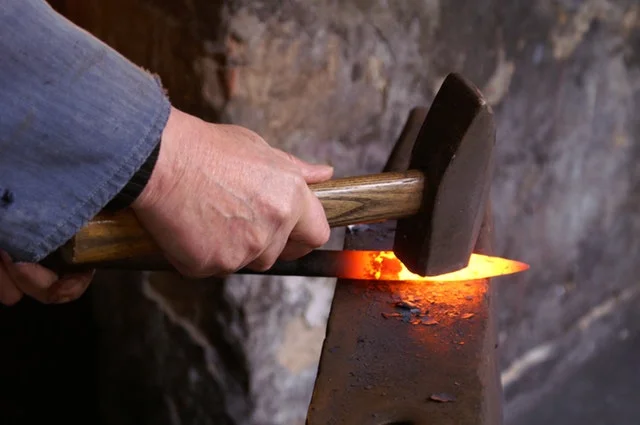
Developing disciplines in your life makes room on a consistent basis for God to speak to you, and for you to respond to his presence.

We fail to realize that the question, “What should I do?” is often unanswerable for this simple reason: if God were to answer it directly we would either run from the answer because of the immensity of the task or fall into pride over the great plan he has for us.

As man is united to God physically, his actions begin to change. There is an observable difference in who he was and who he is becoming.

Man and woman, who are of the same flesh, cleave to one another. God who is Spirit creates man with a spirit, and calls man to also cleave to himself.

You are made in the image of the God who is light. You are to grow in this light, and as you grow you will partake in the very nature of God. This is a mystery.
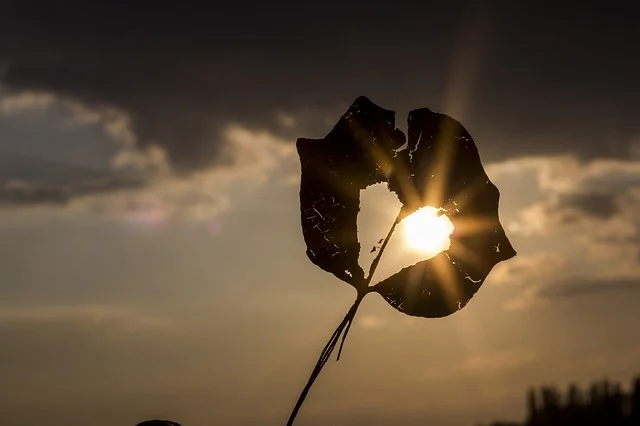
When your framework, or your total expression, is integrated with the truth of who God created you to be, peace reigns. This is the united heart.

Truth is that which straightens what is twisted. It makes our ways straight. The light within you will either twist or straighten. It will lead to righteousness or licentiousness. It will hurt or heal you.
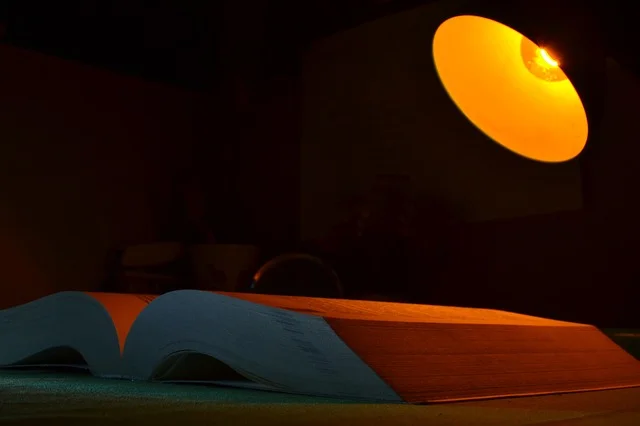
Proverbs provides us with the clue to understand the function of our spirit: "The spirit of man is the lamp of the LORD, searching all the inner depths of the heart."

As you grow closer to Jesus, light shines upon you to reveal his thoughts about you. This is your original and true design. This light brings truth.

It was the twisting of the perception that Adam and Eve had regarding themselves and regarding God that caused them to fall. This twisting changed their belief structure.

There exist beliefs that we hold at the core of our being, regardless of how true they are. These beliefs are shaped by our triumphs, failures, courageous moments, fears, successes, hurts, and many others moments in life.
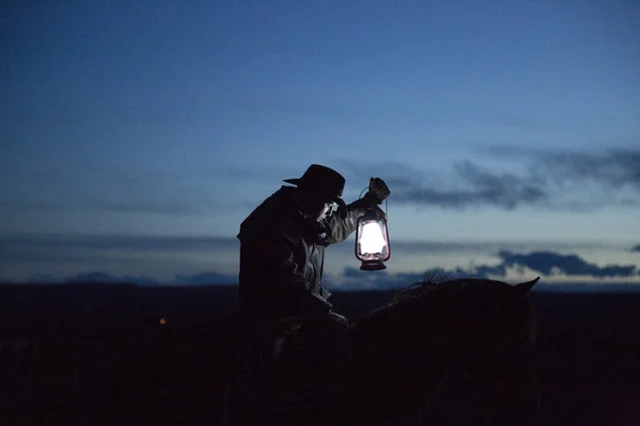
There are numerous examples in scripture where, in a moment, God defines an individual. For Moses he said, "I have known you by name and you have found favor in my sight" and "the man Moses was the most humble man on the face of the earth." For David he whispered, "You are my friend," and "Seek my face."

For weeks I couldn’t stop thinking about these dreams. I shared them with friends, I mulled over them, and I prayed about them. My spirit was troubled.

How do we grow in Christlikeness when we are still stuck in pain and trauma? The first step in embracing the character of Christ is embracing the healing of Christ.
The underlying principle behind God leaving difficult people in your life is this: If a difficult person in your life needed a touch from God, God would never be able to send them to you.